FIGURE 12.9 Colonization and sprouting of a Coconut Palm (Cocos nucifera) on a black sand beach, Hawaii. This seed floated by way of the ocean to this new site. Image Source: Wikimedia Commons.
FIGURE 12.23 The following graph describes the results of a laboratory experiment that studied the predator-prey dynamics between the predatory miteTyphlodromus occidentalisand its prey, the Six-spotted Mite (Eotetranychus sexmaculatus). The data indicate that both species exhibit cyclic population oscillations, with the predator population peaking after the prey population reaches its maximum. Image Copyright: Michael Pidwirny, Data Source: Huffaker, C. B. 1958. Experimental studies on predation: dispersion factors and predator-prey oscillations. Hilgardia, 27(14): 343-383.
Dispersal and Colonization
Many organisms that inhabit the Earth can move. This movement can be accomplished by either passive or active means. Active movement requires the organism to use some appendage to initiate walking, running, flying, or swimming. In passive movement, the organism uses an external force to cause transit. Many plants use wind passively to disperse seeds over relatively long distances. Oyster larvae can travel hundreds of kilometers by using the power of sea currents.
Plants have evolved several mechanisms for dispersing their offspring (Figure 12.9). Some of the common methods include:
- The use of specialized morphological structures to aid the transport of an individual by the wind.
- The use of particular morphological structures to transport the individual by moving water.
- The production of fruit-encased seeds that other organisms consume and disperse.
- Adhesion mechanisms that allow seeds to attach themselves to other actively moving organisms.
- The physical ejection of seeds.
Dispersal can be defined as the movement of individuals away from others of the same species (Figure 12.10). One common reason organisms disperse is to find new habitats rich in the resources they need. Through dispersion, organisms can also evade the competitive influence of their parents, siblings, and other species. Ideally, a dispersing organism would like to find a place where resources for survival are abundant, and competition from individuals of the same and other species for these resources is minimal.
Dispersal also involves a significant element of discovery. By finding new suitable habitats, individuals increase their species' geographical range and spatial dominance. Species with large ranges are less likely to go extinct. Most of the causal factors that result in the death of individuals work at specific spatial scales. If the species has a distribution larger than this scale, portions of its population will be unaffected. Also, with an extensive range comes greater variation in habitat types and associated species’ genetics. Biotic or abiotic mechanisms that might kill off individuals often act in specific types of habitats. As a result, occupying a range of habitat types because of greater genetic variation provides possible safe havens for the species when times get tough.
Once dispersed, an individual can try to colonize a new site. To achieve successful colonization, the new site must provide all the abiotic and biotic conditions necessary for survival (Figure 12.11). For many individuals, the dispersal process ends in death because colonization does not occur. Successful colonization often requires the chance event of finding a site devoid of other organisms. Areas within ecosystems can become free of organisms through the mechanism of disturbance (Figure 12.12). Disturbance is any process that disrupts an ecosystem, community, or species population by changing resource availability, biotic interactions, or physical conditions. Disturbance often causes the premature death of individuals. Factors like predation, climate variation, earthquakes, volcanoes, fire, animal burrowing, and even the impact of a single raindrop can all lead to disturbances.
The dispersal process does not end with an individual's colonization of a new site. Once colonized, the individual must secure enough resources to support future growth and reproductive efforts. Life after colonization is a struggle for many individuals to maintain existence due to the stresses associated with various biotic and abiotic factors. These influences can involve biotic interactions such as competition, predation, and disease, or abiotic factors such as severe weather, flooding, drought, and fire.
Abiotic Factors and Species Distributions
No species is adapted to survive all the conditions found on our planet. Most species appear to be limited in at least part of their geographic range by abiotic factors, such as temperature, moisture availability, and soil nutrients. All species have specific tolerance limits to physical factors directly affecting their survival or reproductive success (Figure 12.13). The portion of an abiotic factor's range of variation within which a species can survive and function is abstractly defined as the tolerance range. The level within the tolerance range at which a species or population can function most efficiently is termed the optimum.
In 1840, Justus Liebig suggested that organisms are generally limited by only one physical factor, the one in shortest supply relative to demand. Liebig's ideas were strongly influenced by agricultural studies that identified nitrogen (N) or phosphorus (P) as the nutrient limiting crop production. At one time, researchers accepted Liebig's theory so completely that they called it theLaw of the Minimum and tried to determine the single limiting factor controlling the growth of numerous species. However, subsequent studies have shown that Liebig's concept is inadequate to account for the distributional limits of many species. In most cases, the spatial limits of distribution are determined by complex interactions among multiple physical factors.
Biotic Interactions and Species Distributions
Biotic interactions are another factor that can influence a species' spatial distribution. A biotic interaction can be defined as a relationship between at least two species that affects the fitness of the interacting organisms. Fitness can be defined as the net effect an interaction has on an organism's ability to grow and reproduce. Studies of biotic interactions have revealed that several different types of relationships exist in nature. Table 12.1 describes the common names given to these relationships and classifies the fitness effect in situations with just two interacting species.
Competition
When two or more organisms in the same community compete for the same limiting resource (e.g., food, water, nesting space, or ground space), they compete with each other. If the competition is among members of the same species, it is called intraspecific competition. Competition among members of different species is called interspecific competition. Individuals in populations can experience both types of competition to varying degrees, depending on the particular circumstances of their immediate environment.
Competition can result from two very different processes: exploitation or interference. Competition by exploitation occurs between individuals when the indirect effects of two or more species or individuals reduce the supply of the limiting resource or resources needed for survival (Figure 12.14). Exclusion of one organism by another can occur only when the dominant organism requires less of the limiting resource to survive. Further, the dominant species must be able to reduce the resource quantity to a critical level relative to the other organism. Resource exploitation does not always result in a species being excluded from a community. It may just cause the various species involved in this interaction to experience reduced growth potential.
Competition by interference occurs when an individual directly prevents the physical establishment of another individual in a portion of a habitat (Figure 12.15). The limiting resource in this type of competition is space. Established plants can preempt the colonization and establishment of other individuals through dense root mats, the simple presence of aboveground structures, peat and litter accumulation, and allelopathy.
Allelopathy involves the production and release of chemical substances by one species that inhibit the growth of another (Figure 12.16). Allelopathic substances range from simple acids to bases to some very complex organic compounds. All of these substances are known under the general term: secondary substances. Secondary substances are chemicals produced by organisms that seem to have no direct use in metabolism. Many plants produce secondary substances. For example, Black Walnut (Juglans nigra) trees secrete the antibiotic juglone. This substance inhibits the growth of trees, shrubs, grasses, and herbs found growing near Black Walnut trees. Certain species of shrubs, notably Mint (Salvia leucophylla) and Sagebrush (Artemisia californica), are known to produce allelopathic substances in the Chaparral vegetation of California. Often these chemicals accumulate in the soil during the dry season, reducing the germination and growth of grasses and herbs in an area up to 1 to 2 meters (3 to 6 feet) from the secreting plants.
Mutualism
Mutualism is the name given to biotic interaction between pairs of species that brings mutual benefit. The individuals in the populations of each mutualist species have higher fitness when in the presence of individuals of the other species. In most ecology or biogeography textbooks, mutualisms are generally underemphasized. Yet, this type of biotic interaction is extremely widespread. Most plant roots form mutualistic associations with fungal mycorrhizae. Mycorrhizae increase the capability of plant roots to absorb nutrients like nitrogen and phosphorus. In return, the host's roots provide the fungus with support and a constant supply of carbohydrates.
Scientists have recognized two types of mutualistic interactions between species: symbiotic and non-symbiotic. In a symbiotic mutualism, individuals interact physically, and their relationship is biologically essential for survival. At least one pair member cannot live without close contact with the other. The fungal-algal symbiosis that occurs in lichen is an example of symbiotic mutualism (Figure 12.17). The morphological structure of lichen consists of a mass of fungal hyphae that surrounds a small colony of algae cells. In this mutualism, the alga produces carbohydrates and other food products through photosynthesis and metabolism, while the fungus absorbs the minerals and water required for these processes.
More common in nature is non-symbiotic mutualism. In this interaction, the mutualists live independent lives yet cannot survive without each other. The most obvious example of this type of interaction is the relationship between flowering plants and their insect pollinators (Figure 12.18).
Commensalism
Commensalism is a biotic interaction where one species benefits from the association while the second species is unaffected by it. In the tropical rainforest, mosses, bromeliads, and other plants can grow high in the tree canopy (Figure 12.19). These plants (also called epiphytes) use the tree to gain access to more intense sunlight and nutrient-rich rainwater, and to serve as a support surface. The presence of these plants on the tree typically causes no ill effects.
Tropical Clownfish of the Pacific and Indian Oceans form commensalistic relationships with sea anemones (Figure 12.20). Sea anemones are immobile animals that prey on fish using barbed, poisonous tentacles. However, the Clownfish is immune to the poison produced by anemones, and Clownfish are usually found swimming near the tentacles. This ability provides the Clownfish with two essential benefits. One, the Clownfish is protected from predation by other fish because these organisms tend to shy away from the anemone’s tentacles. Second, the Clownfish can feed on the leftovers from the anemone’s meals.
Predation, Parasitism, and Pathogens
Pathogens, parasites, and predators obtain food at the expense of theirhostsandprey. These consumption processes are fundamental to the entire grazing food chain above the autotroph level. Predators tend to be larger than their prey and consume them from the outside (Figure 12.21). A parasite is smaller than its host and consumes it either from the inside or the outside of the organism (Figure 12.22). Pathogens are organisms that cause disease in a host organism. Infection occurs when one or more metabolic processes are negatively altered in a host in response to a pathogen.
Many people view predator-prey interactions as one-sided and detrimental to the prey population. This idea has led to extensive efforts to control and reduce predator populations in the name of wildlife conservation. These control efforts often cause prey populations to explode, leading to other environmental problems. Functional relationships between predator-prey species within natural ecosystems have co-evolved over long periods. The net result of this co-evolution is the creation of a dynamic balance between interacting predator and prey populations (Figure 12.23).
A classic example of our tampering with a predator-prey relationship involves the Prickly Pear Cactus (Opuntia spp.). During the 19th century, the Prickly Pear Cactus was introduced into Australia from its native home in South America. Because no Australian predator species existed to control the population size of this cactus, it quickly expanded over millions of hectares of grazing land. The presence of the Prickly Pear Cactus excluded cattle and sheep from grazing vegetation where it existed and caused substantial economic hardship to farmers. A method of control of the Prickly Pear Cactus was initiated in 1925 with the introduction of Cactoblastis cactorum, a cactus-eating moth from Argentina. By 1930, the densities of the Prickly Pear Cactus were significantly reduced.


FIGURE 12.10 Many weed species have seeds with structures that allow for wind transport. The seeds can travel a significant distance away from their parent using the wind. Some of these seeds will find a disturbed patch of ground devoid of other plants and successfully establish themselves. Image Copyright: Michael Pidwirny.
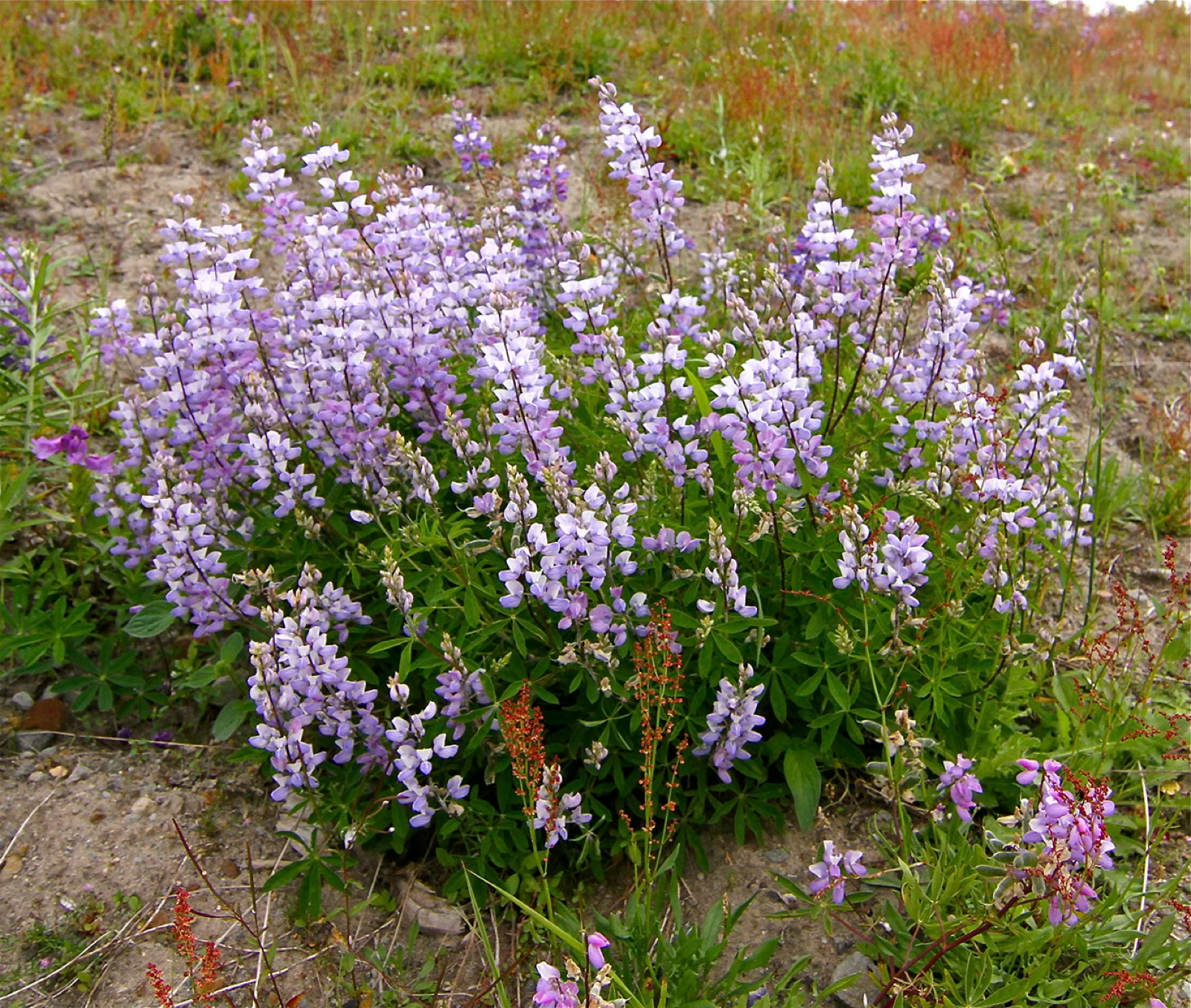
FIGURE 12.11 One of the early species of plants colonizing the sterile pumice deposits of post-eruption Mount St. Helens was the Pacific Lupine (Lupinus lepidus). This species was successful because it was able to fix nitrogen in its roots through a mutualistic relationship with the microorganism Bradyrhizobium sp. This bacterial species provides lupin with nitrogen in exchange for carbohydrates. Image Copyright: Michael Pidwirny.
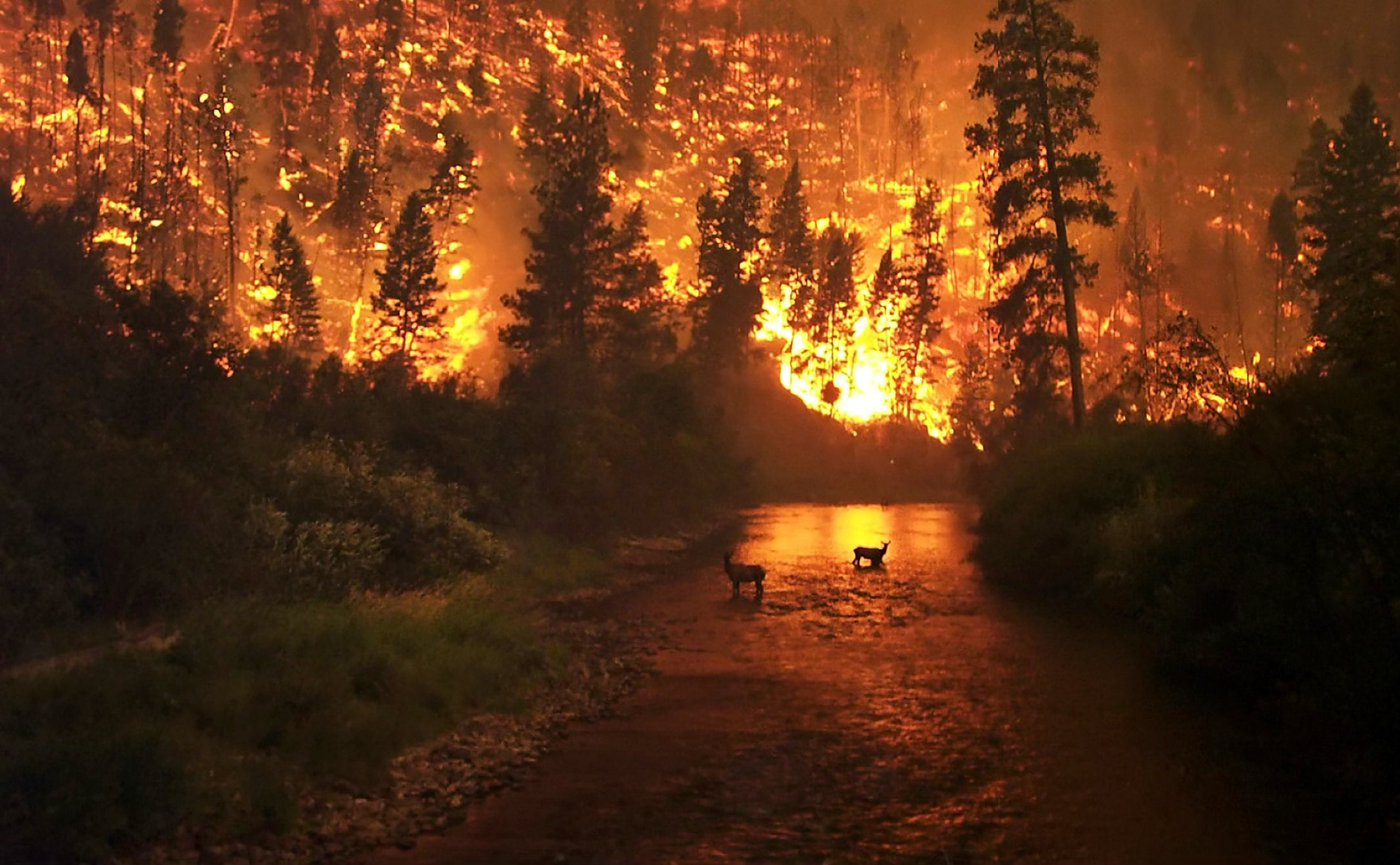
FIGURE 12.12 Only a few species in any ecosystem can survive the extreme level of disturbance associated with fire. Image Source: Wikimedia Commons, United States Forest Service, Photo by John McColgan.

FIGURE 27.13 For many abiotic variables, organisms can only tolerate a specific range of availability. The range of availability of an abiotic variable that strongly positively affects a species' reproductive fitness is called the optimum. Image Copyright: Michael Pidwirny.


FIGURE 12.14 Trees compete for light with other species by extending their trunks skyward through growth. Very little light passes through the canopy of a forest. This form of exploitation competition for light limits the survival of other plant species trying to establish themselves beneath the forest canopy. Image Copyright: Michael Pidwirny.

FIGURE 12.15 Many organisms, like the American Robin (Turdus migratorius), often establish a territory around berry patches during winter to protect this food source from other birds. This act has been interpreted as a form of interference competition. Image Copyright: Michael Pidwirny.
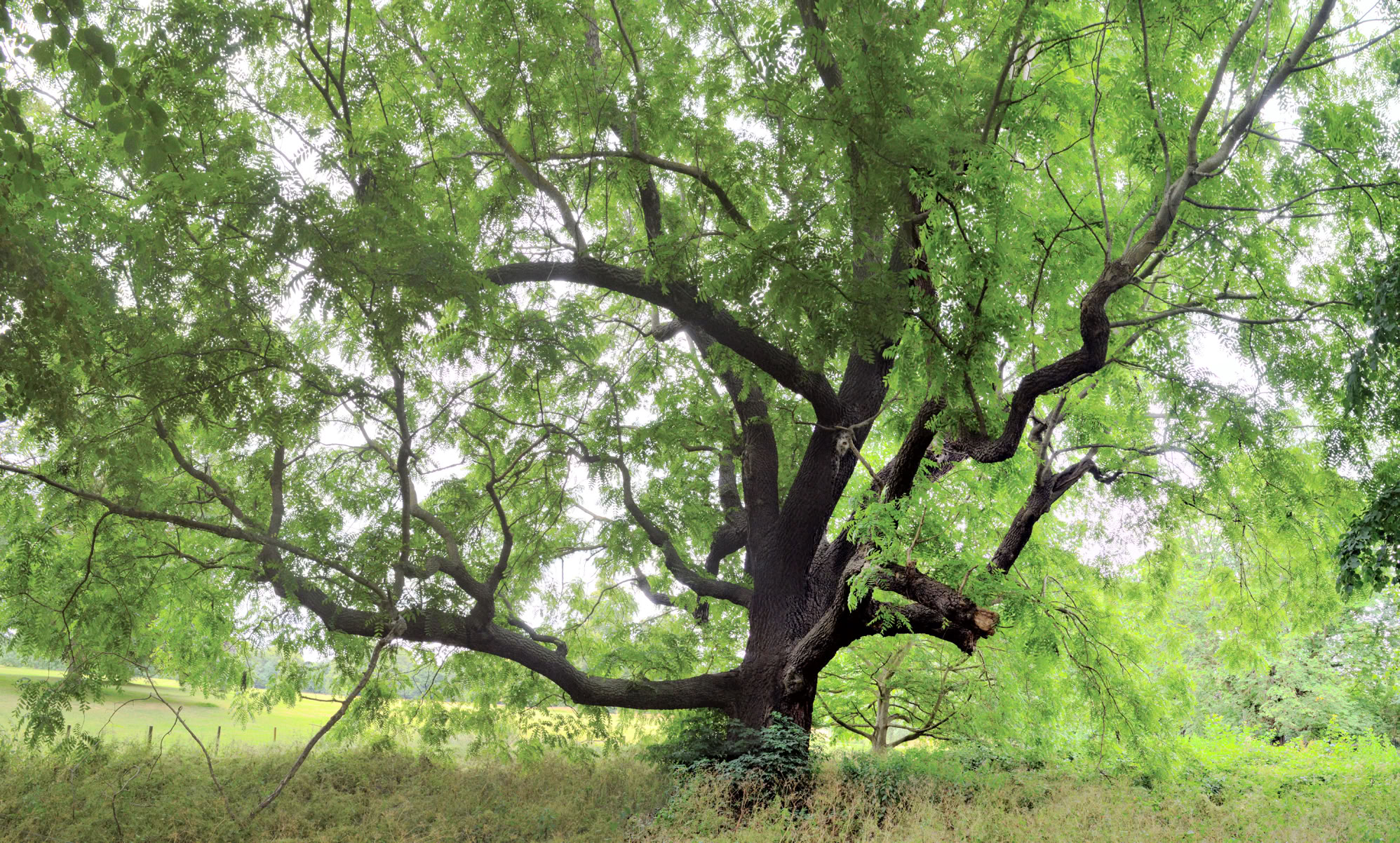

FIGURE 12.17 Orange-colored lichen growing on a rock. There are about 15,000 recognized species of lichen. Lichens are unique in the living world because they consist of two species living in a symbiotic relationship: A species of fungi and algae. Through photosynthesis, algal cells share sugars with their fungal associates. The fungal cells protect the algal cells from environmental extremes and provide them with nutrients extracted from the surrounding environment. Image Copyright: Michael Pidwirny.
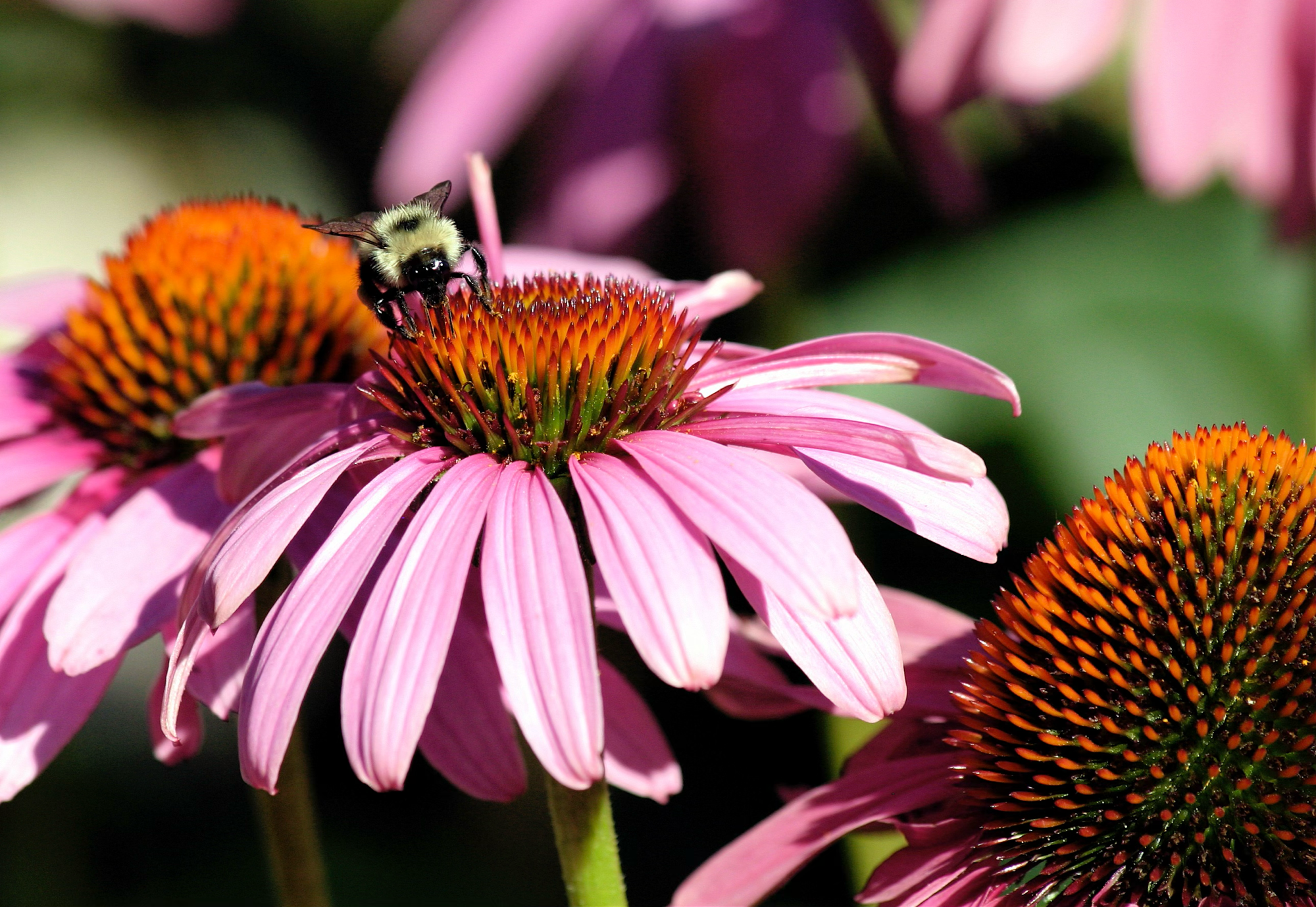
FIGURE 12.18 Bees and many species of flowering plants interact with each other in a mutualistic fashion. In this interaction, the bee pollinates the plant’s flowers. The plant aids the bee by providing food in the form of pollen and nectar. Image Copyright: Michael Pidwirny.

FIGURE 12.19 Spanish Moss (Tillandsia usneoides) is an epiphytic plant that uses the branches of trees to support itself above the ground surface. This interaction is a form of commensalism because only the Spanish Moss benefits from this relationship. The Spanish Moss benefits from growing on branches because it has better access to sunlight and is isolated, thereby protected from ground-based herbivores. Image Copyright: Michael Pidwirny.

FIGURE 12.20 A Clownfish (Amphiprion ocellaris) swimming among the poisonous tentacles of a sea anemone (Heteractis magnifica). The sea anemone provides the Clownfish with a home safe from predators. Image Source: Wikimedia Commons, photo by Jan Derk.

FIGURE 12.21 The Tiger (Panthera tigris) hunts at night, preying on various animals, including deer, wild hogs, and wild cattle. Tigers are ambush predators that try to approach their prey as close as possible. During capture, they often attack their prey from behind, biting its neck or throat. Image Source: Wikimedia Commons, photo by Dick Mudde.


FIGURE 12.16 The Black Walnut (Juglans nigra) tree produces an allelopathic chemical called juglone. Juglone limits the growth of other species of plants surrounding a Black Walnut tree. Image Source: Wikimedia Commons. This Image is licensed under the Creative Commons Attribution-Share Alike 4.0 International license.
FIGURE 12.22 This species of blowfly (Amenia imperialis) lays its eggs on snails. When the eggs hatch, the parasitic larvae consume the snail. Image Source: Wikimedia Commons. This Image is licensed under the Creative Commons Attribution-Share Alike 4.0 International license.